
Exterior Wash Only
A proper mobile hand wash for paint, wheels, tires, and glass without the swirl marks and shortcuts of a drive-through wash.
Exterior Wash Only
A proper car wash exterior service is not what happens at a tunnel on 16th Street. Automatic brushes drag grit from hundreds of previous cars across your clear coat at speed — that's what swirl marks and spider-webbing actually are, and they accumulate every single visit. Drippy Suds founder Harvey built this service around one principle: hand wash only, two-bucket method, no shortcuts. The result is a genuinely clean car that still has its paint protection intact when you drive away.
What's Included in Our Exterior Car Wash
Every step in the process exists for a reason, and knowing what physically happens gives you a clear picture of what you're paying for before you book.
Pre-rinse: A thorough rinse knocks loose surface grime and cooling dust before anything touches the paint. Skipping this step is how even hand washes cause swirl marks.
Snow foam / pre-soak: A foam application dwells on the surface and lifts contaminants chemically before contact — less abrasion, safer on clear coat.
Hand wash, two-bucket method: One bucket holds clean soapy water. The second bucket rinses the mitt before it goes back to the paint. That single discipline is what separates a real exterior auto detail from a $12 drive-through.
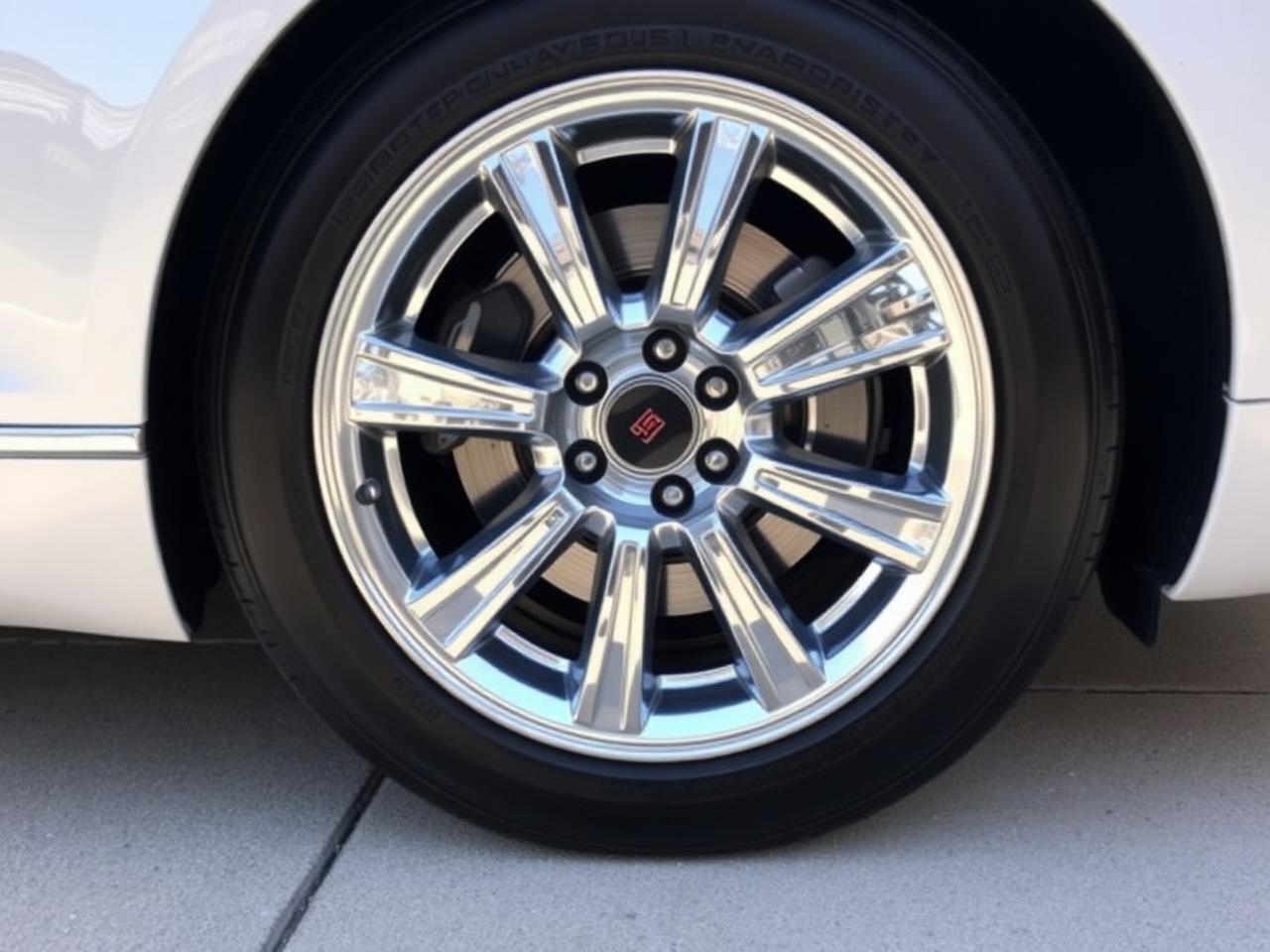
Wheels and tires — dedicated tools: Brake dust is loaded with metal particles. Wheels get their own brushes and microfibers that never cross-contaminate the paint panels.
Glass: Cleaned streak-free, exterior and interior surfaces where reachable.
Rinse and spot-free dry: Clean microfiber towels, worked panel by panel to prevent water spots. Not air-dried, not left to streak.
Tire dressing: Applied cleanly to the rubber only — not slopped onto the sidewall where it attracts dust and looks faded within 24 hours.
What is NOT included: Long-term paint sealant, wax, ceramic coating, interior cleaning, and paint decontamination (clay bar). These are available as add-ons or separate services. No surprise upsells at the bay — what's listed above is exactly what you get.
We come to your home, workplace, apartment lot, or wherever the vehicle is parked, so your car gets handled without rearranging your day.
Book NowHow a Regular Exterior Wash Protects Your Vehicle's Paint
Clear coat is the transparent top layer that gives paint its depth and gloss. It's also the layer that everything attacks first — UV rays, bird droppings, bug acid, tree sap, industrial fallout, and road salt. Clear coat does not regenerate. Once it degrades or gets etched, you're looking at paint correction or a respray.
The problem is that clear coat damage happens slowly and invisibly until it doesn't. A bird dropping left on a dark hood in 95-degree heat can etch a permanent mark in under 48 hours. Bug residue sitting on a front bumper through a summer road trip softens the clear coat chemically. Tree sap left through a Sacramento fall bonds to the surface as it cures and requires mechanical removal that risks micro-scratching. The same Central Valley sun that flattens clear coat also breaks down the plastic lenses up front. Once they cloud over, the only fix is to restore foggy, UV-oxidized headlights, which is a separate process from washing.
Regular exterior vehicle detailing interrupts that cycle. Contaminants that haven't bonded yet come off cleanly in the wash. The clear coat stays intact. Gloss is preserved. And when you eventually apply wax, spray sealant, or ceramic coating, it bonds to healthy paint instead of degraded clear coat.
Skipping washes to 'save paint' is the opposite of what actually protects it. The paint that holds its value five years from now belongs to the car that was washed consistently and correctly — not left alone.
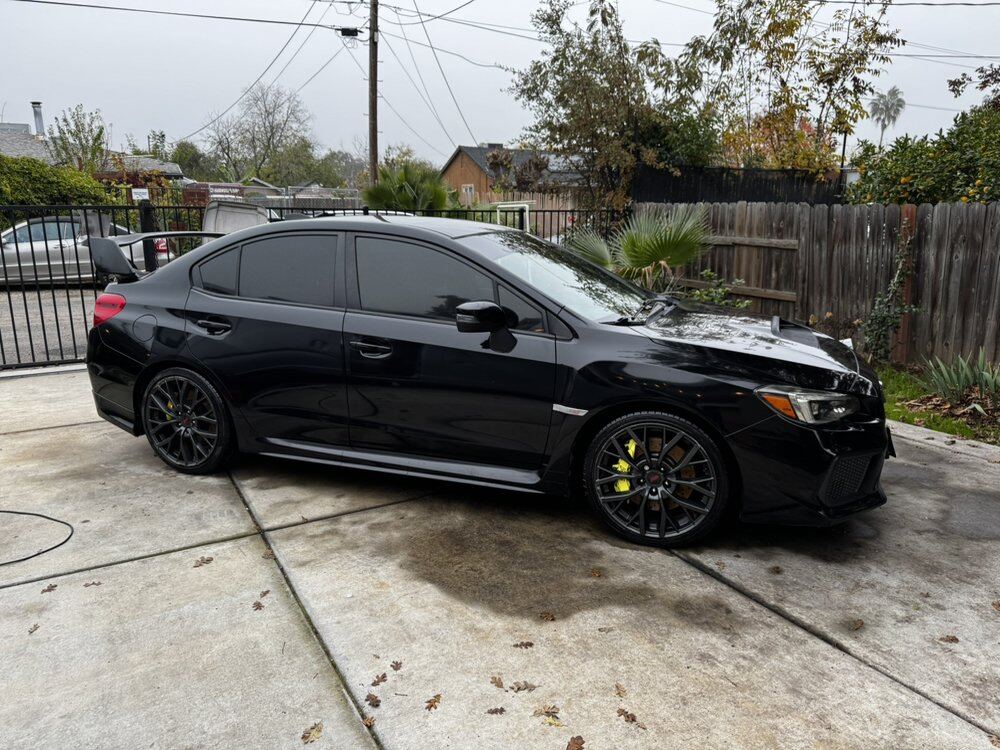
Inside the service
What Sacramento Drivers Are Saying
Drippy Suds is rated on Yelp and Google by real customers who booked the same service you're considering — not generated reviews or aggregated star padding. Harvey has built Drippy Suds' reputation on repeat customers and word-of-mouth referrals in Sacramento neighborhoods, not advertising volume.
You can read current reviews directly on Yelp and Google Maps — both linked in the footer. The pattern you'll find: customers mention the two-bucket process specifically, the absence of swirl marks after the wash, and the convenience of mobile service at their home or office.
For peer recommendations, Drippy Suds has appeared in local community discussions as a trusted option among Sacramento drivers who've been burned by tunnel washes and are looking for a detailer with an actual process, not just a price list. That word-of-mouth credibility is what drives most first bookings — and why the majority of customers return.
What a Real Hand Wash Actually Involves
The process matters more than most people realize, because a careless hand wash can do more damage than a careful automatic wash. The difference is entirely in technique.
Drippy Suds uses the two-bucket method on every exterior wash: one bucket for clean soapy water, one bucket for rinsing the wash mitt before it returns to the paint. That single discipline prevents grit from re-contacting the clear coat on every pass — the exact mechanism that causes swirl marks in the first place.
The full process runs: pre-rinse, foam pre-soak, top-down hand wash with a soft microfiber mitt, thorough rinse, dedicated wheel and tire cleaning with separate tools, streak-free glass cleaning, microfiber panel dry to prevent water spots, and tire dressing applied correctly to the rubber only.
The whole appointment takes 60 to 90 minutes depending on vehicle size and condition — longer than five minutes in a tunnel, which is the point. The extra time is where the paint protection actually happens.
How to Book Your Exterior Car Wash
Booking is straightforward.
Call or text Harvey directly at 916-507-4802. Tell him your vehicle type, your location, and when works for you. He'll confirm the appointment time and come to you — no shop visit, no waiting room, no dropping your car off somewhere.
Hours: Monday through Friday, 8:00 AM to 5:00 PM. Closed Saturday and Sunday.
Service area: Sacramento, Elk Grove, Folsom, Roseville, and surrounding neighborhoods — mobile service delivered at your address.
What to have ready: A space near the vehicle with access to a water source if possible (some locations are handled without one — ask when you book). The car does not need to be pre-rinsed or prepped.
What to expect on arrival: Harvey shows up with all equipment, sets up without interrupting your day, and delivers the car clean when finished. The process takes 60 to 90 minutes. You don't need to supervise or be present for the full duration.
If the paint is looking flat, the wheels are dark, or the glass never seems clear after a rain — book an Exterior Wash Only and get it handled properly at your location.
Service Area
Drippy Suds provides mobile exterior washes and hand detailing across Sacramento, Elk Grove, Folsom, Roseville, and the surrounding neighborhoods. Harvey comes to your address, washes the vehicle properly by hand, and leaves you with paint that looks cared for instead of processed.
If the paint is looking flat, the wheels are dark, or the glass never seems clear, book an Exterior Wash Only appointment and Harvey will handle it at your location.
Frequently Asked Questions
- Exterior Car Wash vs. Full Detail — Which One Do You Need?
- This is a straightforward self-selection question and there's no pressure either way. Book Exterior Wash Only when: The cabin is already clean. You need the outside looking sharp before a weekend trip, a client pickup, or a weekend event. The car has been sitting outside long enough to collect pollen, sap, or road film. You've just driven through smoke or wildfire ash season and want contaminants off the paint before they sit. Book the Drippy Diamond Package (full detail) when: Both the inside and outside need attention. The carpet has crumbs, the seats need conditioning, or the interior smells stale. You want one appointment to handle everything for less than booking interior and exterior separately. Add ceramic coating when: You park outside regularly — especially in a Roseville summer or under Folsom street trees — and you want a 2-to-5-year shield against UV, sap, bug acid, and water spotting. Ceramic coating is applied on top of a clean surface, so an exterior wash is always the first step. If you're unsure, the two-minute version: look at the cabin. If it needs work too, go full detail. If the inside is fine, exterior wash is the right call.
- How Much Does an Exterior Car Wash Cost?
- No price list here — because quoting a flat number before seeing the vehicle sets false expectations and erodes trust when the actual quote differs. What actually affects the cost of an exterior car detail: Vehicle size: A two-door coupe and a three-row SUV are not the same amount of surface area or time. Size is the single biggest variable. Current condition: A car that hasn't been washed in three months takes longer to pre-soak, foam, and hand wash than one that was detailed two weeks ago. Heavy brake dust on wheels, caked-on bug splatter, or tree sap require additional dwell time and product. Add-ons: Clay bar decontamination, spray sealant, wax, or tire shine upgrades are available and priced separately from the base wash. Location: The service is fully mobile — Drippy Suds comes to your driveway, office lot, or apartment parking. No shop overhead gets passed to you, and you don't lose time driving across town. The honest approach: contact Drippy Suds at 916-507-4802 with your vehicle type and current condition. Harvey will give you a straight quote with no surprise fees added at the door.
- How Often Should You Wash Your Car in Sacramento?
- Every two weeks is the general rule for a daily driver, but the Sacramento climate tightens that in specific seasons. Spring: Pollen coats every car in the valley within 48 hours of a wash. Biweekly is the minimum — weekly is smarter. Summer: Bug splatter from highway driving and sap from parking under any tree both etch clear coat if they sit in 100-degree heat. Wash frequency matters more in summer than any other season. Fall: Ash and smoke residue from wildfire season deposit on paint and glass. These aren't just cosmetic — smoke particles carry acidic compounds. Winter: Tule fog grime and road film build up on lower panels from I-5, Highway 50, and I-80 commutes. Easier season overall, but skipping entirely is still a mistake. The fastest way to damage paint in this climate is to let contaminants sit while the car looks 'clean enough.' It rarely is.
- Does an Exterior Wash Include Wax or Ceramic Coating?
- A standard Exterior Wash Only cleans the paint but does not include a long-term paint sealant. If you want added protection — slickness, gloss depth, water-beading, and resistance to sap and bug acid — you want wax, a spray sealant, or a proper ceramic coating applied on top of a clean surface. Ceramic coating is the longest-lasting option, typically delivering 2 to 5 years of real protection depending on product tier, application quality, and maintenance. For drivers who park outside in Roseville summers or leave the car under Folsom street trees, it's the single best upgrade to reduce how often you need to wash and how much contaminants stick between washes. Ceramic coating is always a separate service from the exterior wash — it is never bundled into the base wash price.
- How often should you wash your car in Sacramento?
- Every two weeks is the general rule for a daily driver, but the Sacramento climate pushes that tighter in certain seasons. In spring, pollen coats every car in the valley within 48 hours of a wash — a biweekly rhythm is the minimum. Summer adds bug splatter from highway driving and tree sap from parking under anything with leaves, both of which etch clear coat if they sit too long in the heat. Fall brings ash and smoke residue from whatever the wildfire season is doing. Winter is actually the easiest stretch, but tule fog grime and road film still build up on lower panels from I-5, Highway 50, and I-80 commutes. The fastest way to damage your paint in this climate is to let contaminants sit. Bird droppings are the worst offender — the acidity combined with a 100-degree hood can etch permanent marks into clear coat in less than 48 hours. Bug residue and tree sap work the same way, just slower. A regular exterior wash isn't just about looking clean. It's about not letting the paint degrade while you're not paying attention.
- Does an exterior wash include wax or ceramic coating?
- A standard Exterior Wash Only cleans the paint but does not include a long-term paint sealant. If you want added protection — slickness, gloss, water-beading, resistance to sap and bug residue — you want either a wax application, a spray sealant, or a proper ceramic coating layered on top of a clean surface. Ceramic coating is the longest-lasting of the three, typically running one to three years of real protection depending on the product. For drivers who park outside in Roseville summers or leave the car on the street in Folsom under trees, it's the single best upgrade you can make to reduce how often you need to wash.
- How long does a mobile exterior wash take?
- Most exterior-only appointments run about 60 to 90 minutes depending on vehicle size and condition. A sedan in decent shape sits at the shorter end. A dusty three-row SUV that hasn't been washed in two months sits at the longer end. The service is mobile, which means it happens at your driveway, your office lot, or wherever the vehicle is parked. No drive across town, no waiting room.
- What is the 2 bucket method?
- The two-bucket method uses one bucket of clean soapy wash water and a second bucket of plain rinse water. Before the wash mitt goes back to the paint, it gets rinsed in the second bucket to release the grit it picked up from the last panel. That single step prevents dragging abrasive particles across the clear coat — which is the exact mechanism behind swirl marks and spider-webbing. Every exterior wash at Drippy Suds uses this method as standard.
- Why is hand washing better than an automatic car wash?
- Automatic tunnel brushes accumulate grit from every car that passes through them and transfer that grit to your paint on contact. Touchless washes avoid contact but use alkaline chemicals strong enough to strip wax and sealants. A proper hand wash with clean tools, correct technique, and controlled contact avoids both failure modes. The difference shows up in direct sunlight — a hand-washed car doesn't develop the swirl mark haze that tunnel-washed cars accumulate over time.
- How often should I wash my car in Sacramento?
- Every two weeks is the baseline for a daily driver in the Sacramento area. Spring pollen, summer bug splatter and sap, fall wildfire ash, and winter road film from I-5 and Highway 50 commutes all give you reasons to wash more frequently in specific seasons. The most damaging habit is letting contaminants sit — bird droppings and bug acid can etch clear coat in under 48 hours during Sacramento summers.
- Does Exterior Wash Only include ceramic coating?
- No. Exterior Wash Only cleans the paint surface. Ceramic coating is a separate long-term paint protection service applied after the vehicle is properly cleaned and prepped. It delivers 2 to 5 years of hydrophobic, UV-resistant protection depending on product tier. If you want coating applied, book the exterior wash first and ask Harvey about ceramic coating as a follow-on service.
- Is the wash safe for my paint finish?
- Yes — when done correctly. Drippy Suds uses soft microfiber wash mitts, pH-neutral soap, and the two-bucket method to minimize any abrasive contact with the clear coat. Wheels and tires are cleaned with dedicated brushes that never touch paint panels. Drying is done by hand with clean microfiber towels, panel by panel, to prevent water spot etching. The process is designed around protecting the finish, not just removing visible dirt.
- Do you hand dry after the wash?
- Yes. The car is dried by hand with clean microfiber towels worked panel by panel after the final rinse. Air drying and drive-off drying both leave water spots — especially in Sacramento where warm temperatures evaporate water fast and leave mineral deposits on the paint. Hand drying is part of the standard process, not an upgrade.
- How long does the full exterior wash process take?
- Most exterior-only appointments run 60 to 90 minutes. A clean sedan sits at the shorter end. A dusty three-row SUV that hasn't been washed in several weeks sits at the longer end. Harvey will give you an honest time estimate when you book based on your vehicle type and current condition.
- Do I need an appointment?
- Yes — Drippy Suds is a mobile service, not a drive-up location. Appointments let Harvey plan the route and arrive with everything needed for your vehicle. Call or text 916-507-4802 to book. Monday through Friday, 8:00 AM to 5:00 PM.
- Is it legal to wash your car in the driveway in California?
- It depends on your local jurisdiction and whether water restrictions are in effect. Some California municipalities prohibit driveway washing that allows runoff into storm drains. Harvey can discuss water management at your location when you book — mobile detailing setups can often accommodate low-runoff approaches depending on the site.
- Is it still illegal to wash your car in California?
- California does not have a statewide ban on car washing, but local water restriction ordinances during drought conditions can limit or prohibit certain washing methods. Check your city or county's current water use rules. When restrictions are active, professional mobile detailing using water-efficient methods may comply where a full driveway hose-down does not.
- Are mobile car detailing services worth it?
- For most drivers, yes — especially once you factor in the time cost of driving to a shop, waiting, and driving back. Mobile exterior detailing comes to your location, takes 60 to 90 minutes, and delivers results that tunnel washes physically cannot. The convenience factor is significant: you get a properly hand-washed car without leaving your driveway or office parking lot.
- Is mobile detailing worth the cost?
- It depends on what you're comparing it to. Versus a tunnel wash: mobile hand detailing costs more upfront but doesn't progressively damage your paint, which tunnel washes do over time. Versus a detail shop: mobile service saves you the drive and the wait. The value calculation is clearest for people who have already seen swirl marks develop from years of tunnel washes and want to stop that cycle.
- What's the hardest thing to clean off a car?
- Tree sap and industrial fallout are the hardest exterior contaminants. Tree sap bonds to the clear coat as it cures and requires mechanical removal — either a clay bar or a dedicated sap remover — that risks micro-scratching if done incorrectly. Industrial fallout (iron particles from brake dust and rail dust) embeds into clear coat and turns orange when treated with an iron remover. Both require more than a standard wash to fully address and are available as add-on treatments when you book.
- What is the 30-60-90 rule for cars?
- The 30-60-90 rule is a general vehicle maintenance guideline referring to service intervals at 30,000, 60,000, and 90,000 miles — typically covering oil changes, filters, spark plugs, and fluid checks depending on the manufacturer. For paint care specifically, the equivalent mindset is a regular wash every two to four weeks, a wax or sealant application every three to six months, and a ceramic coating or paint correction on a longer cycle based on condition.
- How much should I spend on a car detail?
- The right amount depends on what the vehicle needs. An exterior wash on a maintained car is the lowest-cost service. A full interior and exterior detail on a vehicle that's been neglected costs more in time and product. Ceramic coating is a longer-term investment that reduces ongoing maintenance costs. Contact Harvey at 916-507-4802 with your vehicle type and condition for a straight quote — no ranges that shift when you arrive.
- How much should I tip for a $100 car detail?
- Tipping is not required but is genuinely appreciated for mobile detailing work. The general norm is 10 to 20 percent, similar to other skilled service trades. For a thorough job on a difficult vehicle or in challenging weather conditions, 20 percent is a reasonable acknowledgment of the extra effort.
- Are you supposed to tip mobile auto detailers?
- There's no obligation, but tipping is common and appreciated. Mobile detailers work independently, handle their own equipment and supplies, and often drive significant distances to reach your location. A tip of 10 to 20 percent on the service cost is the typical range when the work meets or exceeds expectations.
We Also Serve
Related Services
Book an exterior wash at your location — call or text Harvey at 916-507-4802.
Book Now